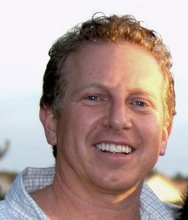
As a physician and founder of PassportMD, Inc. (http://www.passportmd.com/ ) , I remain committed to creating a free site and service so that people of any age and any economic status can participate. The free service helps people through the often-tedious process of creating a very valuable, and potentially life saving tool, the personal health record. We are committed to simplifying this process, giving people, seniors, adults, children, particularly with a history of at least one chronic medical disease, on multiple medications, or with a history of allergies the ability to communicate their critical information reliably to their health care provider. Doctors need to have access to reliable information that is legible and accessible and PassportMD provides this needed function.
Medical Mistakes are common, hospital errors are responsible for over 100,000 deaths per year and these could be preventable. Information about drug interactions and cross reactivity combined with allergy alerts lead the way in being critical to every healthcare provider before initiating care.
The doctors are very slowly adopting electronic health records. This adoption is way too slow and is very complicated. It has many factors in play as it relates to the economics of medicine. Although privacy is considered an issue, the true issue is cost, implementation and maintanence costs to the physician practice are too burdensome in light of decreasing reimbursement. Thus, only 7.5 % of physician practices are currently adopting electronic health records. Though, if you poll the remaining 92.5% of physicians, probably all would agree that electronic health records are better for medicine and for the patient. Adoption is inevitable but the pace and time period for adoption is dependent upon many factors.
Saturday, March 17, 2007


Monday, March 12, 2007
Stages of Grief, After we have lost a loved one, Yearning peaks in 4 months
A recent study at Yale University published in JAMA fuound that the initial dominant grief item was not disbelief but yearning. Yearning peaked at four months after the loss. All negavie grief indicators are in decline by six months post loss.
Acceptance the final stage of grief increased over a 2 year period.
To recap the conventionally accepted stages of grief are :
disbelief, yearning, anger , depression and acceptance.
In my experience, I have seening yearning and depression for approx 6 mos to a year, and acceptance around 18 months.
Acceptance the final stage of grief increased over a 2 year period.
To recap the conventionally accepted stages of grief are :
disbelief, yearning, anger , depression and acceptance.
In my experience, I have seening yearning and depression for approx 6 mos to a year, and acceptance around 18 months.
Sunday, February 25, 2007
Facts about "Roadkill", how safe are our roads?
1. 43,000 people killed in motor vehicle accidents in 2005
2. 2.7 million people injured in car crashes in 2005
3. half of passenger vehicle occupants killed were unrestrained.
4. 6,964 fatal crashes involved young drivers
5. 472 children under age of 4 died in car crashes in 2005
6. 6.2 million crashes cost an estimated $230 billion in porperty, productivity and medical bills in 2005.
Point: Wear seatbelts, do not drink and drive, be cautious of other drivers, make sure car has airbags and safety features up to date standards.
2. 2.7 million people injured in car crashes in 2005
3. half of passenger vehicle occupants killed were unrestrained.
4. 6,964 fatal crashes involved young drivers
5. 472 children under age of 4 died in car crashes in 2005
6. 6.2 million crashes cost an estimated $230 billion in porperty, productivity and medical bills in 2005.
Point: Wear seatbelts, do not drink and drive, be cautious of other drivers, make sure car has airbags and safety features up to date standards.
New Passport Requirements
Effective January 2007, passports are now required for all travel to or from Canada, Mexico, Central and South America, the Caribbean and Bermuda.
To obtain a passport, visit a passport acceptance facility with 2 photographs of yourself, proof of US citizenship, and a valid drivers license.
Photographs and applications can also be found through any local AAA branch office.
To obtain a passport, visit a passport acceptance facility with 2 photographs of yourself, proof of US citizenship, and a valid drivers license.
Photographs and applications can also be found through any local AAA branch office.
4 facts about protecting your home
Four important facts:
1. 75% of all presidentially declared disasters in US are flood related
2. 1 of 4 flood insurance claims are filed by homeowners in low to moderate risk areas
3. flooding is most common widespread of all natural disasters
4. homeowners insurance does not pay for damage caused by rising water
1. 75% of all presidentially declared disasters in US are flood related
2. 1 of 4 flood insurance claims are filed by homeowners in low to moderate risk areas
3. flooding is most common widespread of all natural disasters
4. homeowners insurance does not pay for damage caused by rising water
Parenting Blog at Sunsentinel
A new blog has been created for sharing stories about raising children of all ages.
You may visit it at http://www.sun-sentinel.com/transparent
You may visit it at http://www.sun-sentinel.com/transparent
Grandparents: Are your grandchildren going to Summer Camp?
Summer camp season is approaching and as a parent and physician, we are getting our children ready to go away for a few weeks to sleep away camp. I have created a free service for parents with children going to summer camp with medical problems, conditions, medications and allergies. It is a free service and allows parents to easily set up a record of their child's medications, allergies or problems..so that if, while at camp, they were to get sick, this information would either be immediately accessible by camp nurses via the internet or the child can carry it with them in their wallet.In a true emergency this information would be invaluable, particulary with the number of increasing medical errors, medication cross reactions and inadvertent allergic medical reactions. Having information at your fingertips for your child and his camp nurses, is critically important. All parents in this situation should take advantage of this preventive free service at http://www.CampMedic.com
Sunday, February 11, 2007
Medical Identity Theft: Tips for Prevention
So, our tip(s) for today to prevent medical identity theft from happening to you or an elderly loved one are:
Get copies of everything in your medical file
Request the disclosure of who's accessed your records
Look for any treatments you did not personally recieve
Get a list of all payments made using your medical insurance
Monitor your credit report for signs of un-paid medical debts
Finally, make sure you ask your doctor's office how they secure your medical information file containing your social security number according to the provisions of the federal HIPAA & FACTA laws.
posted by http://idtheftsecrets.blogspot.com/2006/10/medical-identity-theft-causes-man-to.html
You may ask why this is important... well if you are one of the 250,000 victims per year of medical identity theft... then , you will understand when you get denial for needed surgery due to "previous conditions", inability to purchase disability or life insurance, or you will receive the wrong medications or treatments
Get copies of everything in your medical file
Request the disclosure of who's accessed your records
Look for any treatments you did not personally recieve
Get a list of all payments made using your medical insurance
Monitor your credit report for signs of un-paid medical debts
Finally, make sure you ask your doctor's office how they secure your medical information file containing your social security number according to the provisions of the federal HIPAA & FACTA laws.
posted by http://idtheftsecrets.blogspot.com/2006/10/medical-identity-theft-causes-man-to.html
You may ask why this is important... well if you are one of the 250,000 victims per year of medical identity theft... then , you will understand when you get denial for needed surgery due to "previous conditions", inability to purchase disability or life insurance, or you will receive the wrong medications or treatments
Saturday, February 10, 2007
New Years Resolution: What do people resolve to do pay off debt or lose weight?
According to http://www.truecredit.com/, TransUnion's true credit.com..
more people made their number 1 New Year's resolution priority to lose weight and eat healthier versus paying off credit card bills . It appears that 4 in 10 Americans say getting better eating habits is more important than paying down their debt.
Obviously , both of these issues are important, I really think that this example speaks to control. In other words, people may feel they have greater control over their diet and hence, the ability to lose weight, while others may feel that their sky rocketing credit card debt is out of control, and just simply cant be corrected no matter how hard they try. For sure, in any case, a sense of lost control or inability to fix one's circumstance, can be very dangerous.
more people made their number 1 New Year's resolution priority to lose weight and eat healthier versus paying off credit card bills . It appears that 4 in 10 Americans say getting better eating habits is more important than paying down their debt.
Obviously , both of these issues are important, I really think that this example speaks to control. In other words, people may feel they have greater control over their diet and hence, the ability to lose weight, while others may feel that their sky rocketing credit card debt is out of control, and just simply cant be corrected no matter how hard they try. For sure, in any case, a sense of lost control or inability to fix one's circumstance, can be very dangerous.
Kids and Identity Theft
According to recent data from FTC, the percentage of identity therft victims under age 18 has moved up 5 %, and that represents 500,000 children. Most people did not find out about their identity being stolen until they open a bank account or get a driver's license.
This is a scary issue and protecting your children's identity is critical so be very cautious in handing out their personal information.
A great resource for identity theft is , Identity Theft Resource Center, http://www.idtheftcenter.org/index.shtml
This is a scary issue and protecting your children's identity is critical so be very cautious in handing out their personal information.
A great resource for identity theft is , Identity Theft Resource Center, http://www.idtheftcenter.org/index.shtml
Sunday, January 28, 2007
Little things you can do to reduce medication errors in hospitals
According to Institute of Medicine, an estimated 400,000 medication errors harm hospital patients.
How PassportMD can help to Prevent medication errors and other things you can do to help prevent medication errors:
1. Create and bring a personal health record with you upon admission. PassportMD offers a free service to create your record in minutes.
2. Tell your doctors the medicines, vitamins and supplements that you take to avoid negative interactions. (Or just give him the page from your PassportMD health record that you printed off for free from your computer.)
3. Ask about the drug's purpose and side effects when the doctor prescribes it. Get instructions for taking drugs after you go home.
4. Check the label of IV drug before it is given (or ask a friend or family to do that).
5. Find out how long it should drip before running out.
6. Speak up if you think you are getting the wrong drug, dosage or drip speed.
Many of these tips were generated from the Sun Sentinel Help Team at http://www.sun-sentinel.com/helpteam
How PassportMD can help to Prevent medication errors and other things you can do to help prevent medication errors:
1. Create and bring a personal health record with you upon admission. PassportMD offers a free service to create your record in minutes.
2. Tell your doctors the medicines, vitamins and supplements that you take to avoid negative interactions. (Or just give him the page from your PassportMD health record that you printed off for free from your computer.)
3. Ask about the drug's purpose and side effects when the doctor prescribes it. Get instructions for taking drugs after you go home.
4. Check the label of IV drug before it is given (or ask a friend or family to do that).
5. Find out how long it should drip before running out.
6. Speak up if you think you are getting the wrong drug, dosage or drip speed.
Many of these tips were generated from the Sun Sentinel Help Team at http://www.sun-sentinel.com/helpteam
Nail Salon Safety
There was a recent article in Sun Sentinel ( http://www.sun-sentinel.com/business/local/sfl-hlpnails21jan21,0,3907127.story ) found dozens of South Florida nail salons have been cited during the past three years for failing to maintain health and saftey standards.
To find out if your local salon has been cited, visit Sun-Sentinel.com/nails.
There have been over 4000 complaints lodged against south Florida nail salons and over 150 citations issued since 2003.
Infections in the nail plate, called paronychia, can be caused by either bacteria or fungus. Fungal infections of the nail plate is called onychomycosis and is very common but also very difficult to treat and can result in destruction of the nail plate. There are topical and oral treatments for onychomycosis and you can ask your dermatologist about this if you have it.
To find out if your local salon has been cited, visit Sun-Sentinel.com/nails.
There have been over 4000 complaints lodged against south Florida nail salons and over 150 citations issued since 2003.
Infections in the nail plate, called paronychia, can be caused by either bacteria or fungus. Fungal infections of the nail plate is called onychomycosis and is very common but also very difficult to treat and can result in destruction of the nail plate. There are topical and oral treatments for onychomycosis and you can ask your dermatologist about this if you have it.
Travel Mom
I just happened upon http://www.thetravelmom.com and believe this is a great reference and resource for family travel, particularly travelling with children. You may contact her with questions and emails.
Sunday, January 14, 2007
2007 Healthy Resolution tips
A recent article in AAA magazine,http://www.aaagoingplaces.com/wcny/pagesjf07/dept_livinghealthy_jf07.html#steps ,
listed 10 steps to a healthier you in 2007
1. Maintain a healthy weight.
2. Make better food choices.
3. Stay active
4. Do not use tobacco.
5. Stay Current with recommended health screens
a. women-pelvic and pap smear, periodic self breast exams, every year starting at age 18
b. women-mammograms every 2-3 years after age 30
c.men-psa at age 40 for african americans and pasa at age 50 for white men, annually
d. men and women-colonoscopy every 10 years starting at age 50
6. Mainatin an ideal choleterol level, under 200, with HDL over 45, LDL under 100, and triglyceride under 150
7. Maintain normal blood sugar levels
8. Wear a seatbelt
9. Nurture yourself, take your time to relax and go to spa, enjoy the arts
10. Manage stress and avoid bad relationships.
listed 10 steps to a healthier you in 2007
1. Maintain a healthy weight.
2. Make better food choices.
3. Stay active
4. Do not use tobacco.
5. Stay Current with recommended health screens
a. women-pelvic and pap smear, periodic self breast exams, every year starting at age 18
b. women-mammograms every 2-3 years after age 30
c.men-psa at age 40 for african americans and pasa at age 50 for white men, annually
d. men and women-colonoscopy every 10 years starting at age 50
6. Mainatin an ideal choleterol level, under 200, with HDL over 45, LDL under 100, and triglyceride under 150
7. Maintain normal blood sugar levels
8. Wear a seatbelt
9. Nurture yourself, take your time to relax and go to spa, enjoy the arts
10. Manage stress and avoid bad relationships.
Thursday, December 28, 2006
As a Patient , do you need help with healthcare or prescriptions
Resources are available to help patients offset the rising costs of prescriptions and medical care.. here is a short list..
PhRMA (Pharmaceutical Research and Manufacturers of America)
The partnership for Prescription assistance , visit http://www.pparx.org/
PassportMD Drug Discount Card. Save up to 75 % on FDA approved medications. There is no charge for this service, it is free and you can personalize your discount card. It is good at over 56,000 pharmacies. go to http://www.passportmdrxcard.com/ for a free drug discount card from PassportMD.com.
Rx Hope
This is a searchable database of patient assistance programs based on multiple search criteria, such as medication name, company name and state of residency..visit http://www.rxhope.com
Volunteers in Healthcare
Rx Assist
This is a searchable database of industry sponsored patient assistance programs.Go to http://www.rxassist.org/
Needy Meds
A non profit organization that helps people who cannot afford medicine or health care costs. Go to http://www.needymeds.com/
State Prescription drug assistance for seniors
A listing of state sponsored prescription assistance programs Go to www.medicarerights.org/medicarebasicsframeset.html
http://www.scienceblog.com/community/older/archives/K/4/pub4257.html
PhRMA (Pharmaceutical Research and Manufacturers of America)
The partnership for Prescription assistance , visit http://www.pparx.org/
PassportMD Drug Discount Card. Save up to 75 % on FDA approved medications. There is no charge for this service, it is free and you can personalize your discount card. It is good at over 56,000 pharmacies. go to http://www.passportmdrxcard.com/ for a free drug discount card from PassportMD.com.
Rx Hope
This is a searchable database of patient assistance programs based on multiple search criteria, such as medication name, company name and state of residency..visit http://www.rxhope.com
Volunteers in Healthcare
Rx Assist
This is a searchable database of industry sponsored patient assistance programs.Go to http://www.rxassist.org/
Needy Meds
A non profit organization that helps people who cannot afford medicine or health care costs. Go to http://www.needymeds.com/
State Prescription drug assistance for seniors
A listing of state sponsored prescription assistance programs Go to www.medicarerights.org/medicarebasicsframeset.html
http://www.scienceblog.com/community/older/archives/K/4/pub4257.html
An Active Mind Might Slow Dementia
In a recent article in the Sun Sentinel by Bob LaMendola http://www.s-r.com/news/bylines.asp?bylinename=Bob%20Lamendola, he writes about a recent JAMA published study that the effects of brain exercise strengthens the ability of seniors to think more clearly and continue to live independently. This is the first sudy to link brain training to practical imporvemen indaily life. The author of the article Michael Marsiske from University of Florida suggested that seniors can “challenge yourself to learn things that are difficult for you”
Tips to challenge the mind:
learn new activities and skills
try a new hobby
learn to use a computer
learn to use a digital camera
Exercise the brain with games such as crossword puzzles, sodoku or find a word games.
Tips to challenge the mind:
learn new activities and skills
try a new hobby
learn to use a computer
learn to use a digital camera
Exercise the brain with games such as crossword puzzles, sodoku or find a word games.
Saturday, December 16, 2006
700,000 People visited Emergency rooms this year due to Drug Reactions
According to a recent article in Dermatology Times,
Seniors accounted for one quarter of adverse drug events and for more than half of those that required hospitalizations.
A recent study in the Journal of American Medical Association (JAMA 2006;296:1858-66) also found that most adverse druge events were due to unintentional overdoses from a small set of medications that typically require monitoring. These include warfarin (coumadin), insulin, digoixin and these three accounted for one third of all adverse drug events in this population of people.
The five most common adverse durge classes were:
1. Insulins
2. opoiod containing analgesics
3. anti-coagulants
4. agents containing amoxicillin
5. anti-histamines and cold remedies
The most common conditions associated with drug reactions prompting Emergency Department visits:
1. dermatologic conditions
2. gastrointestinal problems
3. neurologic conditions
One third of adverse drug reactions are allergic reactions.
Interesting fact:
Sixteen of 18 drugs that caused adverse drug events have been in use for over 20 years.
Seniors accounted for one quarter of adverse drug events and for more than half of those that required hospitalizations.
A recent study in the Journal of American Medical Association (JAMA 2006;296:1858-66) also found that most adverse druge events were due to unintentional overdoses from a small set of medications that typically require monitoring. These include warfarin (coumadin), insulin, digoixin and these three accounted for one third of all adverse drug events in this population of people.
The five most common adverse durge classes were:
1. Insulins
2. opoiod containing analgesics
3. anti-coagulants
4. agents containing amoxicillin
5. anti-histamines and cold remedies
The most common conditions associated with drug reactions prompting Emergency Department visits:
1. dermatologic conditions
2. gastrointestinal problems
3. neurologic conditions
One third of adverse drug reactions are allergic reactions.
Interesting fact:
Sixteen of 18 drugs that caused adverse drug events have been in use for over 20 years.
Saturday, December 09, 2006
What google thinks about personal health records
Google’s unhealthy medical plan by ZDNet's Donna Bogatin -- Google audacity never ceases to amaze. What is the great Googleplex conjuring up now? Google is on a medical mission, but it is an unhealthy one. Google wants to create nothing less than individual, dedicated, online databases, to record and store every piece of private and personal data pertaining to “every single medical and health-related event” for [...]
Monday, November 27, 2006
Identity Theft , a real issue
Did you know that identity theft was estimated at 9-10 million cases per year for the last 2 years? Millions of Americans each year are victims costing an estimated 50 billion dollars.
Is it tied to Social Security numbers? Probably, but lets take a look at this. Social security numbers wer initially issued in the thirties for the purpose of administering social security programs. However, today, this is not the case. These numbers are being used for everything from medical records to bank accounts to employee record keeping.
Thieves steal social security numbers. How?
They do this by physical theft of purses, searches through trash, and when consumers provide personal information to an unsecured internet site.
So, according to Andrew Ellis' article, "Here's how to avoid ID theft.." published in the http://www.concordmonitor.com ....there are some simple steps to minimize the risks..
1. shredding paper documents that many contain sensitive info
2. dont' carry social security card in wallet, store in a safe place
3. shred credit card solicitations
4. shred unneeded old personal tax info.
5. If any company or business requests your social security number, think twice and ask ..why? and how will it be used? and how do you protect it from being stolen?
An emerging sector of theft is medical id theft. People stealing a person's medical id info and using their benefits from their insurance to make money. Sites like our http://www.PassportMD.com help individuals keep better control of this information and watch if it has been used for other purposes. One advantage of http://www.PassportMD.com is that this personal health record site, does not require or ask for any social security numbers and is is secure. Both are compelling reasons to use our site to monitor and control your health information without having to enter your social security number.
There are a number of informative sites and blogs on this topic...
1. http://www.schneier.com/blog/archives/2005/04/mitigating_iden.html
2. http://www.identityblog.com/
3.http://blog.trustedid.com/
4. http://www.businessweek.com/the_thread/techbeat/archives/2006/05/identity_theft.html
5. http://flyinghamster.com/post/29146
Is it tied to Social Security numbers? Probably, but lets take a look at this. Social security numbers wer initially issued in the thirties for the purpose of administering social security programs. However, today, this is not the case. These numbers are being used for everything from medical records to bank accounts to employee record keeping.
Thieves steal social security numbers. How?
They do this by physical theft of purses, searches through trash, and when consumers provide personal information to an unsecured internet site.
So, according to Andrew Ellis' article, "Here's how to avoid ID theft.." published in the http://www.concordmonitor.com ....there are some simple steps to minimize the risks..
1. shredding paper documents that many contain sensitive info
2. dont' carry social security card in wallet, store in a safe place
3. shred credit card solicitations
4. shred unneeded old personal tax info.
5. If any company or business requests your social security number, think twice and ask ..why? and how will it be used? and how do you protect it from being stolen?
An emerging sector of theft is medical id theft. People stealing a person's medical id info and using their benefits from their insurance to make money. Sites like our http://www.PassportMD.com help individuals keep better control of this information and watch if it has been used for other purposes. One advantage of http://www.PassportMD.com is that this personal health record site, does not require or ask for any social security numbers and is is secure. Both are compelling reasons to use our site to monitor and control your health information without having to enter your social security number.
There are a number of informative sites and blogs on this topic...
1. http://www.schneier.com/blog/archives/2005/04/mitigating_iden.html
2. http://www.identityblog.com/
3.http://blog.trustedid.com/
4. http://www.businessweek.com/the_thread/techbeat/archives/2006/05/identity_theft.html
5. http://flyinghamster.com/post/29146
Sunday, November 12, 2006
Long Term Care , When should I be thinking about it?
It is never too early to start thinking about long term care. All of us are susceptible, none of us immune to the unpredictable. Life goes by , at a fast pace, it is easy to compartamentalize these issues and concerns into our "denial" portion of our brain. Who really wants to think about being debilitated and needing long term care? I dont.
But, as with everything in life, preparation is 99% of the battle. We think about retirement, we put aside money in our 401K's, retirement accounts, and even "under the mattress". But, what makes the most sense?
Studies have shown that Americans rank long term care second, behind saving for retirement, when prioritizing financial needs.
Let's define Long Term Care: According to the following web site
http://www.rmminc.net/
Long term care includes a range of nursing, social, and rehabilitative services for people who need ongoing assistance. Most people in long term care facilities are older, but many young people need long term care during an extended illness or after an accident.Assistance with routine personal needs such as bathing, dressing, eating, toileting, and taking medicine is the most common long term care service. Long term care facilities also provide skilled nursing and rehabilitative care, which is ordered by a physician and supervised by skilled medical personnel such as a nurse or licensed therapist.
In a recent article by Mary Saunders, she gives the following tips to people thinking about long term care insurance:
1. Talk to your financial planner or insurance agent about whether long term care insurance makes sense for you.
2. Ask your financial advisor to recommend a company and a policy.
3. Check with insurance rating services to make sure the insurance company you are considering is financially secure.
4. Call your state insurance department (In NY for example, http://www.ins.state.ny.us/cseniors.htm and ask about the company and its record in your state.
5. Make sure your insurance agent is licensed to sell long term care insurance in your state.
6. Review all the details and options of the policy. Do not rely just on the marketing materials or outline of coverage.
7. Make sure you understand all the provisions before you purchase any policy.
8. Ask your insurance agent questions. Seek guidance from the state insurance commission office, the Area Agency on Aging, or local senior centers. Discuss policies with friends, family, and others whose opinions you respect. Take time when choosing a policy, and don't allow yourself to be pressured into making quick decisions. And remember: Never pay cash.
When Is the Best Time To Buy Long Term Care Insurance?
Because long term care insurance premiums are based on age at the time of purchase, the younger you are when you purchase a policy, the less expensive the annual premium. These premiums for most policies stay level each year as you age. If you buy at age 55 a policy that cost $800 per year, you will continue to pay the same premium. However, if you wait until you are 65, the same policy will cost you $1,700 per year.
But, as with everything in life, preparation is 99% of the battle. We think about retirement, we put aside money in our 401K's, retirement accounts, and even "under the mattress". But, what makes the most sense?
Studies have shown that Americans rank long term care second, behind saving for retirement, when prioritizing financial needs.
Let's define Long Term Care: According to the following web site
http://www.rmminc.net/
Long term care includes a range of nursing, social, and rehabilitative services for people who need ongoing assistance. Most people in long term care facilities are older, but many young people need long term care during an extended illness or after an accident.Assistance with routine personal needs such as bathing, dressing, eating, toileting, and taking medicine is the most common long term care service. Long term care facilities also provide skilled nursing and rehabilitative care, which is ordered by a physician and supervised by skilled medical personnel such as a nurse or licensed therapist.
In a recent article by Mary Saunders, she gives the following tips to people thinking about long term care insurance:
1. Talk to your financial planner or insurance agent about whether long term care insurance makes sense for you.
2. Ask your financial advisor to recommend a company and a policy.
3. Check with insurance rating services to make sure the insurance company you are considering is financially secure.
4. Call your state insurance department (In NY for example, http://www.ins.state.ny.us/cseniors.htm and ask about the company and its record in your state.
5. Make sure your insurance agent is licensed to sell long term care insurance in your state.
6. Review all the details and options of the policy. Do not rely just on the marketing materials or outline of coverage.
7. Make sure you understand all the provisions before you purchase any policy.
8. Ask your insurance agent questions. Seek guidance from the state insurance commission office, the Area Agency on Aging, or local senior centers. Discuss policies with friends, family, and others whose opinions you respect. Take time when choosing a policy, and don't allow yourself to be pressured into making quick decisions. And remember: Never pay cash.
When Is the Best Time To Buy Long Term Care Insurance?
Because long term care insurance premiums are based on age at the time of purchase, the younger you are when you purchase a policy, the less expensive the annual premium. These premiums for most policies stay level each year as you age. If you buy at age 55 a policy that cost $800 per year, you will continue to pay the same premium. However, if you wait until you are 65, the same policy will cost you $1,700 per year.
Subscribe to:
Posts (Atom)